

Futureproofing #32: An interview with Matthew Kent of Short Span
The former Blowing Up The Workshop boss talks dub techno, Sheffield, Chain Reaction, and his new label's strong visual aesthetic.

Edited by Tom Gledhill
Short Span is my favourite label in electronic music right now. I featured the UK imprint’s recent compilation heavily in the last issue, describing their output as music that “[dissolves] dub techno and ambient clichés into a new sound defined by force and quiet elegance—music that remains heavy and earthbound even at its most diffuse.”
One of the most exciting things about Short Span—run by Matthew Kent (formerly of Mana and influential mix series Blowing Up The Workshop )—is how it revitalizes a familiar aesthetic into something comforting. This is music with a deeply environmental feel. It’s almost relaxing, but abstract and assertive enough to deserve foreground attention. Recent albums by Mammo and Sa Pa have deconstructed dub techno entirely, while EPs from Yu Su and Central (AKA Picture) offer a more club-oriented perspective. The label builds on the legacy of imprints like Chain Reaction, delivering music that feels stone-faced and seductive simultaneously.
I’ve already written at length about the label’s sound, so I’ll let Kent himself explain its genesis and inspirations below.
What have you been up to in the past couple of months?
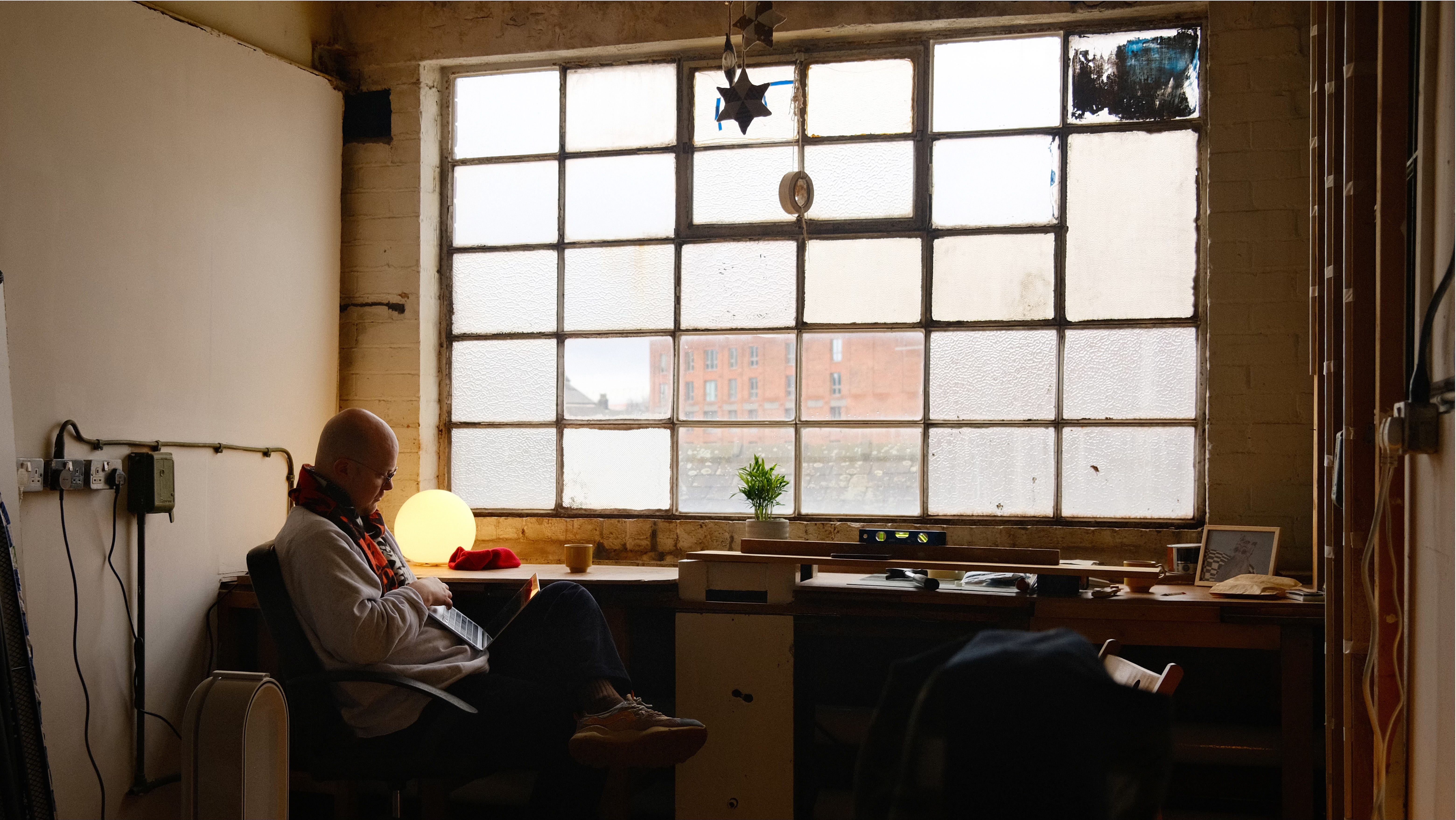
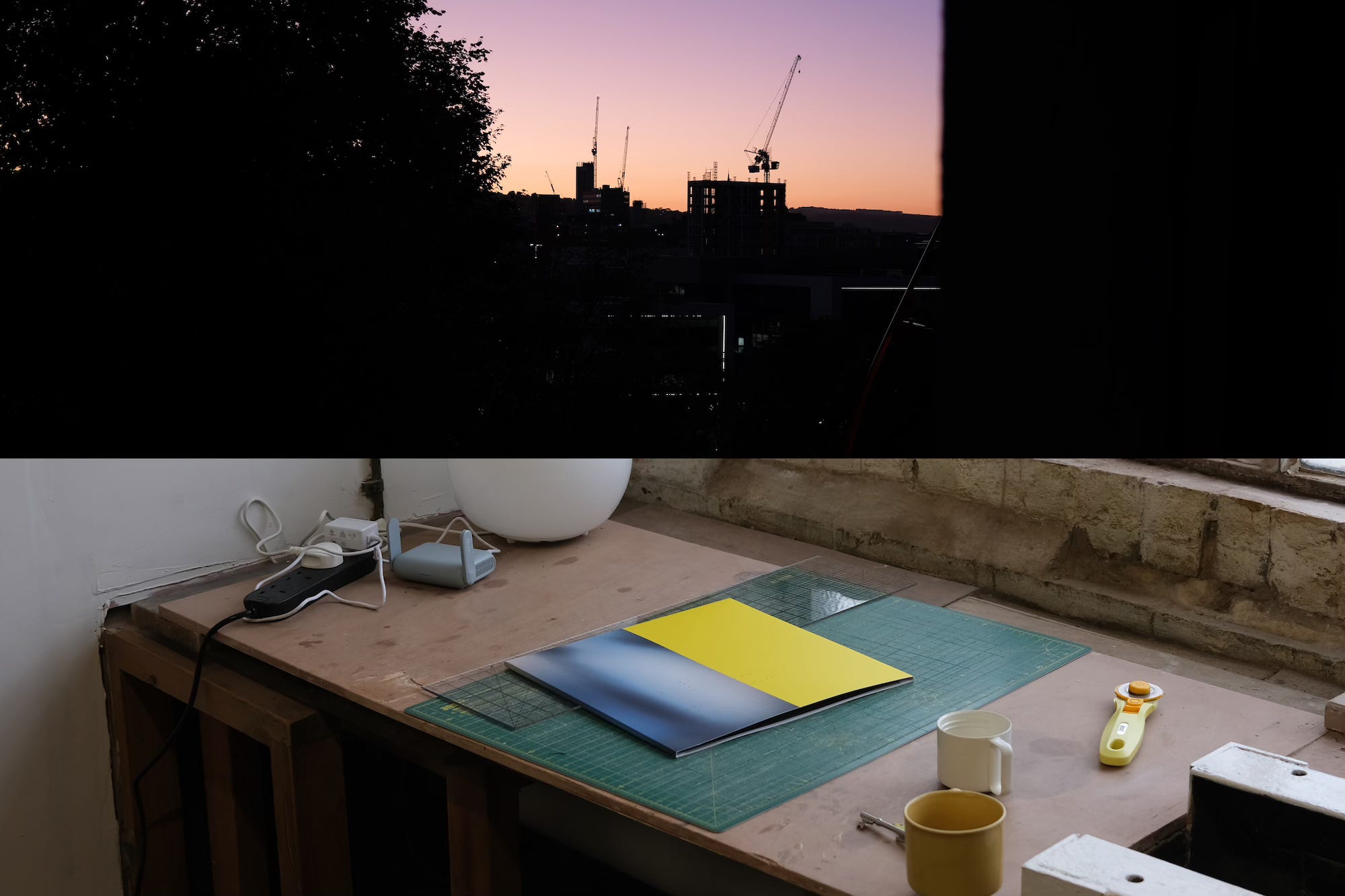
Nothing too sexy in the last couple of months, it’s been a little full on between various things: from the pace of the label right now, plus a full-time day job. I set up a new office/studio for doing Short Span stuff over Christmas. It’s in a very Sheffield kind of building, also used by local silversmiths, potters, woodworkers. The room was originally an old cutlery maker’s workshop, I think. And had more recently been used by someone working with red earth clay that was smeared over everything.
So I spent three satisfying, disgusting weeks peeling back the layers so I could start working in it in the new year, usually pretty late at night. On hands and knees digging out mud, gnarly twists of metal sprue, and archeological fag ends. When I picked up the bin bag full of dust to toss out, it immediately split from the weight because it was mostly metal filings. Getting that into a liveable state was really, really pleasurable—a 180 [compared] to sitting at a computer sending emails about record sleeves, which is what I’m using it for today. Don’t think, just scrape at the dirt. I listened to a lot of Detroit techno.
When did you move to Sheffield, and where were you living before?
Creeping up to a half decade here now. I loved London and still miss a lot about it, it’s always been the closest thing to a steady home for me. But we went through the wringer with a series of rental disasters that were exhausting and emblematic of how difficult living there can be sometimes. There’s compromises you need to accept to live in London without some kind of anchor for stability, and you’re walking a tight rope being paid a banal wage for a 9-5 in a capital city. Sadly it cast a bit of a shadow on my feelings for the place at the time.
I remember sitting and working in our last flat while an estate agent was showing it to people, and listening in on agents gently pressuring them to offer amounts over the list price. It hugely priced me out of my home before I’d even packed a box. My last memory of living there was meeting a friend for a drink while waiting for the train to head up to our new place in Sheffield. Walking slightly disoriented into a place at Kings Cross and accidentally ordering an £18 cocktail because I thought a gin and tonic would be relatively harmless. Just a series of things that cast a long shadow and made the city feel a bit alienating.
Sheffield came up as an idea, I forget why exactly. We’d been to the city a fair bit and liked its vibe. My sister is here. A trip to see the Art Sheffield festival in 2016 had left an impression since it was so grounded in the environment and strange charms of the city. Mark Fell playing pirate radio recordings in a wrecked pub in Park Hill. It was significantly cheaper for a much bigger, brand new place here, a place where I wasn’t thinking… “is today the day the boiler explodes?” Or that I get served an eviction notice for no reason?”
It’s an interesting place. It’s kind of a disaster in many ways, and also a place of continual rolling potential. It’s much more quietly influential than I think a lot of people give it credit for, least of all the people who live here. It took me a year or two to really chill out and settle in and start to see the charms. I can be in the hills of the Peak District in 15 minutes from my doorstep in the centre of town, or walk ten minutes to go through the most beautiful burnt-out wrecks of old warehouses and giant, empty buildings. It’s an inspiring environment.
And its musical history is rich, crucial in that quiet way. There’s obvious reference points which are celebrated like Warp, but I’m not sure if a lot of people really think about DQ1 and his Sheffield roots feeding into the language and matrix of early dubstep’s formation. A lot of people hit me up, surprised when Ian Anderson—whose work is very well known across lots of classic electronic music—did some design stuff for records on Short Span last year. He’s still just here living life and maintaining a studio. He’s probably out walking his dog on Sharrow Vale Road right now. I had just hit him up asking if he was interested in working on a new dub techno label in Sheffield and seeing if he wanted to get a coffee to chat about it, and he said yes.
I’m looking forward to a new book by Dan Dylan-Wray that maybe opens up a lot of this stuff to a wider audience again later this year, and connects some more dots on the specific energy in the city.
What’s the music scene like, and how involved in it are you? Have you discovered any new(ish) music producers/artists in your time there?
I’ve been terrible at integrating, but there’s a ton of really interesting things going on. I’d say that the grassroots is very strong at the moment. The Gut Level club and collective has established itself and built an incredible new space in the city centre in the last year or so, and in a way that would be hard to imagine coming together in other places. I think I’m a member still, but I’ve only been once so far. Welp.
No Bounds‘ programming is very inspiring for how it brings together diversity on a local and an international level and spreads it across the city. The festival last year was fantastic. Very clearly an uncompromising vision in terms of musical possibilities. Seeing Rashad Becker, Tristwch Y Fenywod, Aba Shanti-I (on the Sinai Sound System) together within the same day or so. I was sad to miss the Rotherham shows they did on the Sunday, I heard secondhand that RP Boo and the curation Rian Treanor had put together for that was pretty revelatory. GROUNDWORK for the graft they do putting nights on and bringing sick music through that’s definitely in tune with my taste. Have chatted a bit with them and hopefully can figure out some kind of work together in the future.
There’s this concept of “little mesters” which can be pervasive in the psychology here, even though its origins in industry have died back. That loops back to the physical space the Short Span studio is in: a building full of workshops with individuals toiling away inside them. Doors slightly ajar with different, interesting creative work happening behind them, sight unseen. It’s a place I feel quite comfortable in honestly, labouring semi-privately on stuff I love and connecting with people further afield mostly, building Short Span as a label for a certain kind of identity that crosses boundaries. But it does have some limitations socially/locally. So I am keen to shake myself out of that mode a bit more, to go from being inspired by this place as an observer, and become more of a participant.
In terms of new music in Sheffield, NZO’s record that Miles and Sean put out on DDS last year is fantastic. I first came across GROUNDWORK via a record they did by Porter Brook while I was working in London, it got put on the office stereo. His music is sick and his new label Second Born run with Louis Douglas is also sick. Ashley Holmes’ stuff is very cool and I like how his love of dub filters through to a mix of sound and visual art. I also have a real soft spot for some records by this group Synaptic Voyager at the minute. Gerd put a couple of their records out on Frame of Mind but I’ve found myself listening to their album more, which has longer, slightly more zoned-out and evolving tracks with lots of percussive and melodic movement that feels quite narrative. There are Artificial Intelligence-era Warp comparisons to make for sure, but maybe a little more idiosyncratic too.
How did Short Span start? And why did Mana stop?
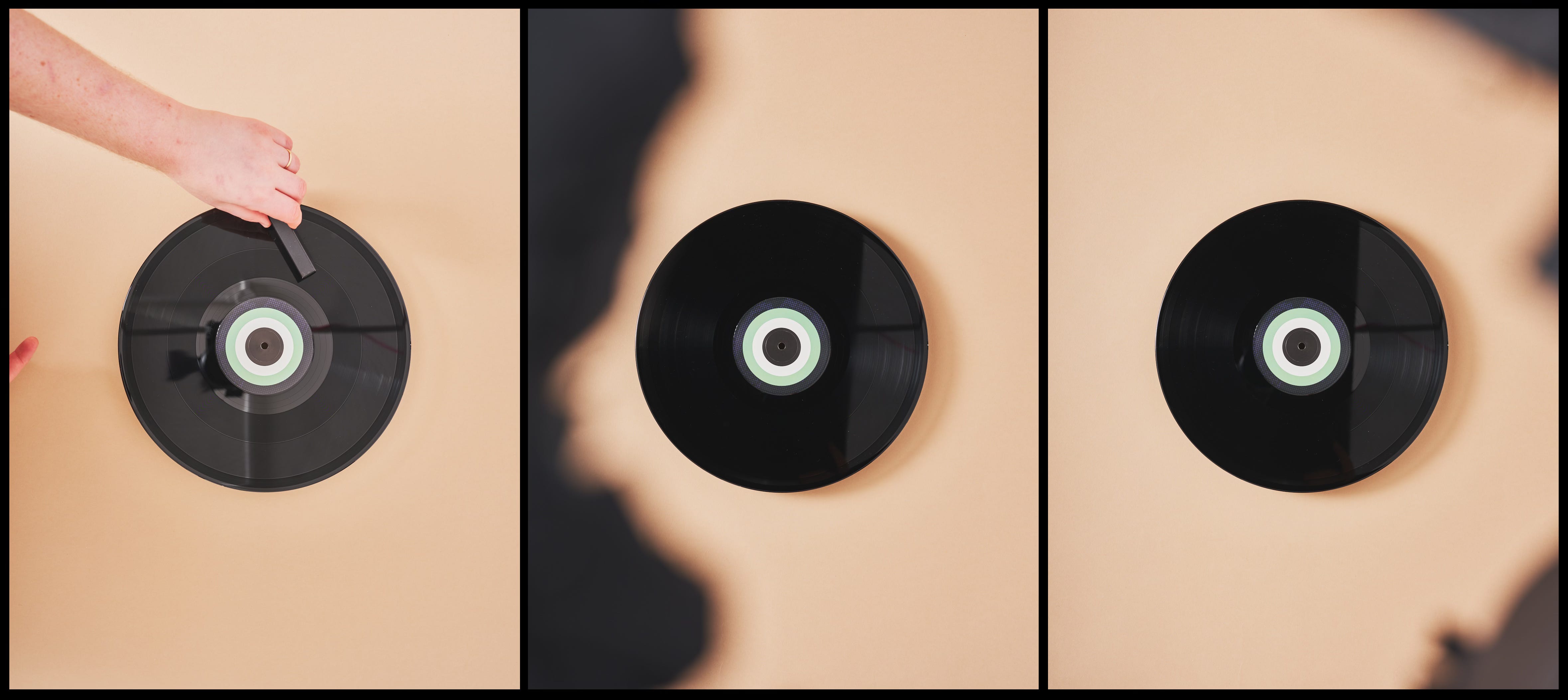
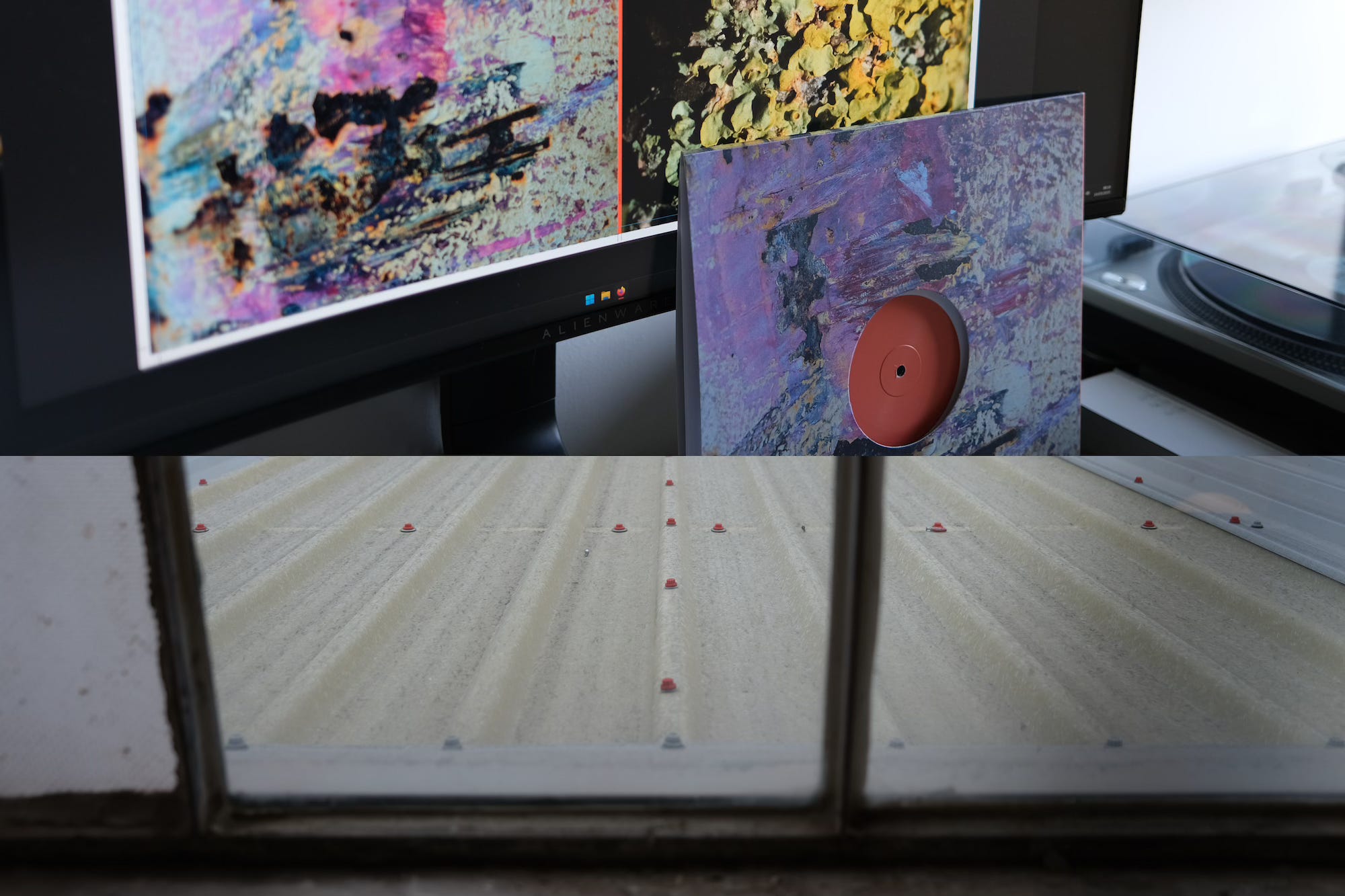
A rising urge to do something creative in the field again, and to figure out some ways to work a little differently with a new project. Releasing things a bit faster, working in a more streamlined, individual way. A lot of the early drive came from frustrations with how manufacturing and publishing records was becoming harder, seeing timelines get so slow post-Covid. The quality of the records is deteriorating while getting more expensive, and people’s listening and buying habits are changing. I’d personally fallen into the habit of just listening to records while I worked, with the turntable set up next to my monitor, and was gravitating towards dubbier, dreamier records with long single sides where it wasn’t annoying having to flip the disc every couple of minutes. It was often stuff that could be considered dance music, but very deep and long and hypnotic that moved between dub and ambient techno, minimal and more “live” lived-in electronics. I completely wore through my copy of SUED 6.
A couple of tracks on the first Short Span record, Sa Pa’s The Fool (specifically “Boredom Memory”), alongside some of what ended up on Ambeesh, had been on my hard drive from back when we were sequencing the Mana album In A Landscape and felt like they connected to this idea—untapped potential that could be a first seed. So we started talking about the idea of putting them out on a new label. At that point it seemed like it might be a brief experiment. Short Span was as much a joke about the lifespan I thought the label would have, or how much time I could give it, as the running length of the discs.
As to Mana: Andrea and I had naturally moved in different directions since I’d moved away from London and we felt like the project had reached a good point in its lifespan to wind down. It was always a close collaborative effort. She’s been focused on her PhD and curatorial work in the last few years: the brilliant recent exhibition Your Ears Later Will Know to Listen at Nottingham Contemporary, and her own new label traza.
Was there any significance to the first release being by Sa Pa? How did that come about? At first I assumed he was involved in the label, since the aesthetic of what came after fit his music so well.
I’m always looking backwards and forwards I guess. Sa Pa was one of the artists I’d initially brought to the Mana release schedule and had some of the most interesting discussions with about sequencing, musical intentions, and what to do with the format of a record. His music is always an incredible wellspring of ideas and unique acoustics that felt in line with what I was wanting to hear and talk about and experience. It’s rooted in dub techno and ambient while feeling exploratory and antithetical to conservative reads of those genres. It wasn’t much more complicated than that. If there’s a sense of strong continuity in Short Span so far, it’s come from trusting my gut about those kinds of things and working intuitively and conversationally with artists.
With that in mind, he has been closely involved in shaping the ideas and direction of the label, as with quite a number of the artists involved so far. I’d say we chat most days, or at least very often. Sounding ideas to one another, figuring stuff out, batting music back and forth. It’s cool.
The artwork has kind of standardized into a geometric aesthetic since that first release. Tell me about that.
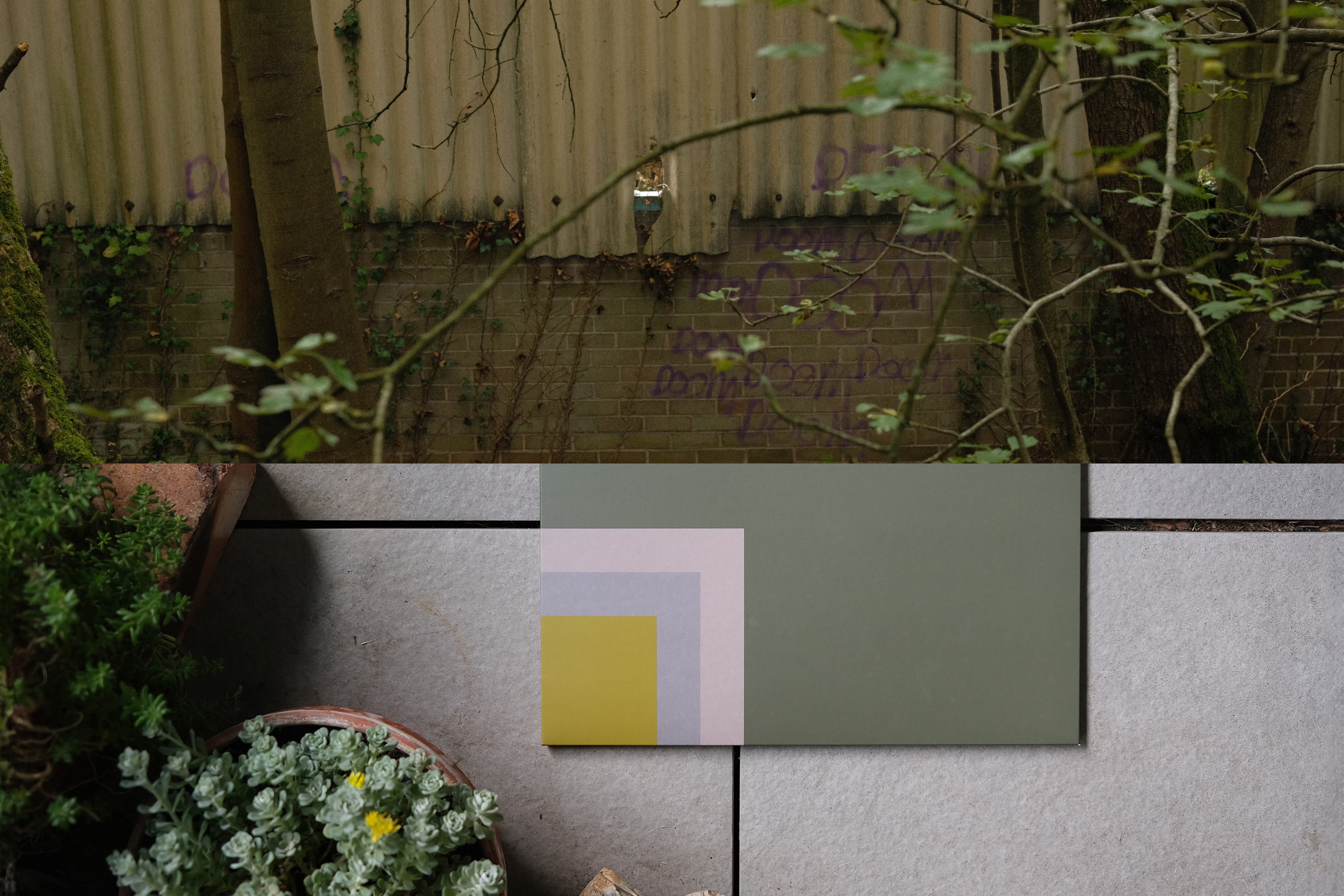
So I had a specific idea at first, tied into the idea of making things as absolutely simple and as streamlined as possible. I wanted to approach someone and say, “pick three colours.” And that would be the record’s’ identity.
I don’t know if this is the same for other folks working behind the scenes on record labels, but I always found that the design was the most difficult part of the process. Nailing down an aesthetic that lays over the backbone that is the music, and properly represents the artist, the label and any designer involved—and I’m often naturally drawn to folks with strong individual design languages.
So that process is set up to be a challenge in terms of consensus, especially if there’s multiple people with strong opinions on direction. I’m personally quite drawn to the idea of series continuity and consistency across releases. The Perlon sleeve aesthetic. Getting to a good place with that is often an act of compromise and can be laborious. So how could that be reduced? “Pick three colours.” If those don’t feel right, it’s easier to discard and pick three more than if you’re looking at a week or so’s careful work by a designer.
That’s continued to evolve over time. Each designer has taken their own interpretation of the idea and given it personality, in each case the direction from the three sources–artist, designer, me—has mutated the concept a little bit. But a simple, strong palette and use of fields of colour and texture have stuck in the choices. I’ve gotten into the habit of putting new designs into a grid with all the other records before we approve it and just seeing if they feel right altogether.
With Will Bankhead’s first design for the Sa Pa 12-inch, we talked a bit about the very pure three colour idea, but to do it nicely with good materials was pretty expensive for a first release on a new label with a new distributor. I ended up suggesting he send some photographs over that had interesting colours or textures, maybe stuff that was just on his photo reel on his phone and snapped in the moment. I was thinking a bit about the reverse sides of the old Hinge Finger records like Ellipsis or Madteo’s Bugler Gold, which are beautifully patterned but also seem like they might be old kitchen vinyl tiles or something. I love Will’s approach to image making, or image finding. It’s often something everyone else would miss, or has some kind of personal application. The pics I love most are often the ones he takes and then posts on his blog or on Instagram stories and are a message that briefly cross your path. I think the two images we selected are a crop of moss and lichen growing on a tree, and then the pole from a Southeast London bus stop near his house.
The Designers Republic wanted to develop a system that could be redeployed over and over, with graphics subtly growing across the development of the series. We met in his studio and discussed his idea of three or four colours arranged in a grid. A sort of Alber’s “Homage to the Square” kind of thing. Ian Anderson’s work and subtle graphic input was foundational to everything, and I want to make sure I thank him in particular for the visuals for Short Span now and going forward. We used a four-Pantone print for Mammo’s General Patterns record which took a bit of shopping around to find the right printer for, and is definitely a material decision that came with a premium and process. A doubling down moment for the second release, and maybe slightly counter to the idea of simplicity at that point.
I think the printer has to clean down all the machinery after each layer is applied so that it’s almost like a screen print in terms of the procedure, which is why they were kind of evasive about taking the job on for a small-ish print run for a while. But the result was beautiful. Opening the box of those when they first arrived, there was this strong fragrance of the ink set into the paper, and a certain kind of analogue and hand-processed quality in the finish that gave it a lot of depth. Small blemishes and spots and translucences that make it special.
More recently I’ve been working with Micah Giraudeau, whose work for Kino Disk and Purelink (among others) I had long admired. The emer release felt like it should be in the style of a white label—it has an underground, shrouded quality that reminded me of that style of release, UK street-soul white labels or that Inga Copeland 12-inch on Rush Hour. Giraudeau does really interesting labels, often working into the format with subtle touches, small interventions of dirt, dust, colour and movement.
And then Mammo has been doing the most recent vinyl designs. We’ve also been in touch a lot since the label’s inception, as friends as well as working together, and his creativity and thoughtfulness has been a huge presence on Short Span. We talk about all aspects, so it sort of came naturally for him to take on some design work as things developed over time. He has a natural gift for it. The Picture record is the first—he actually introduced me to Natal and suggested I check out the demos that became the Short 8 release, so it made sense for him to take on the visuals for this one.
As more people have gotten involved and the baton has been passed, I like the idea that maybe an artist or designer takes on the visual side of the label for a little while as a sort of residency. Letting them establish a series continuity in their style that keeps it flowing.
To me, the label has a well-defined aesthetic, musically. How do you describe it?
I’m always a little wary of pinning things down early on without letting them have time to grow. But it’s obviously become a meeting point for ideas within ambient, dub and techno. Finding something new and emerging in those sounds, something surprising and interesting, that is often suitable for enlarging and changing dynamically in the space it’s playing back in, with plenty of scope for being on a soundsystem or on your cans. Most of the records so far I’ve only heard played back in my front room, but it’s cool to see and hear that they work in a club too.
I also recognise that as a label releasing new dub techno adjacent stuff, as a genre, it’s a bit like asking about a new flavour of bubble bath. You can give it lots of spin as challenging or fresh or inventive, but it’s underpinned by a universal sense of being in service of some comfort for the soul. It’s easy music to listen to and enjoy. You can light a candle and feel something a little more deeply. It’s not hard to love and find something in it, and to start thinking about it in terms of connections and meaning.
Recently I have been noticing that a lot of the Short Span stuff has been born out of some kind of live music foundation that the artists were working in—spun out of material first created to be performed live, or the product of an improvisational model. That’s been interesting to observe. I’ve idly wondered if I’m increasingly and subconsciously drawn to that as a reaction to the world being so heavily impacted by automation and artificial or generative modes of production. Turning toward sound for Short Span that has a lot of human character and personality, which shows itself in the musical long form.
Do you give artists a brief for what kind of music to make, or is it kind of happening naturally?
Increasingly, not so much. The label catalogue has been building out quickly, so people have an idea in mind already by checking that out, or I’m reaching out to them because there’s already some kind of tangible link in what they’re creating and they have something good in the chamber. It’s cool to get more contact from artists going, “I made this and thought of you” even at this early stage in the label’s lifespan.
And in cases where I have given some direction or have a specific idea in mind, it’s subtle. Has a producer ever been mad at someone reaching out and saying, “Hey, can you make something dubbier?” I like it when an artist takes on simple directions and then walks it forward. If there’s trust in the process, the less you demand the more you might find in return.
One thing I do love doing is recognizing and reaching out to an established artist where most people only ever think of a record they made back in ’96, and asking, “are you still active in the studio? What are you working on these days? Want to make something new?” Because the answer is so often an enthusiastic yes, and hearing something sick that’s probably been made for pleasure or quickly in one day. It’s that sense of trust again, asking the right question and being rewarded as a listener and publisher. Hopefully there’s a couple of projects coming this year that have resulted from this kind of approach.
Another thing that comes to mind is Chain Reaction. Is that label an... “influence?”
Yep, for sure. Hard not to be, really: the sense of sequencing, the experimentations with the format of the 12-inch, versioning on A/B sides, what can fit onto a vinyl cut. It’s a series with a cast that’s quite global, each shaping their different sounds onto that one platform, and there’s some really weird stuff on there that can be taken for granted when rolled under the banner of dub techno conversationally, but sit far outside the scope of what that genre name crystallised around in the next ten, twenty years.
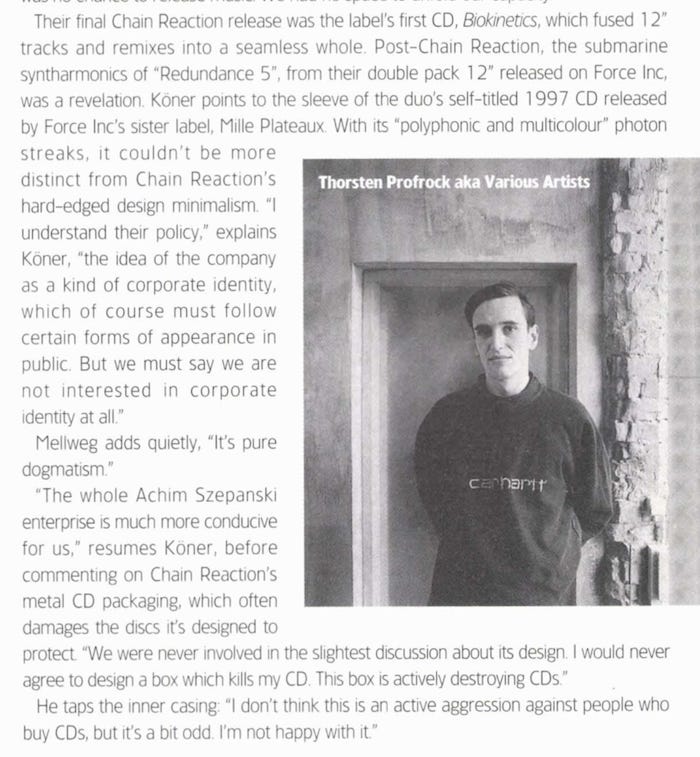
I also love those peculiar library-esque recycled card sleeves the records came in. I’ve picked them all up second-hand over time and I’m not sure I’ve ever once received one with a paper inner, so the records rattle around inside getting all scratched up from the rough card jacket. I’m not sure if that was the case originally, but between that and the fact the CDs tend to crack or rot inside the metal tins, I kind of love that there’s a destructive, evasive quality to them that cuts against the otherwise precise, slightly archival aesthetic. I have a big wedge on my shelf. Monolake’s Cyan I & II and Torsten’s Various Artists record get the most play I think.
I personally want Short Span to continue finding its own language over time, to have these influences, and be glad when people make those comparisons because they’re humbling and also true. But with a record like emer’s Fog from last year, that doesn’t feel like something that might have been carved from Chain Reaction’s catalogue, but it makes sense for Short Span. I’m working quickly to get to a point where the label can stand on its own. Every time Boomkat deploys a “RIYL Short Span” I get a little closer.
I’m curious as to what your relationship with Blowing Up The Workshop is these days. It was such a big deal then—does it still weigh on your mind? Did you learn anything from running that kind of out-of-the-ordinary mix series?
It feels like a long time ago! But it was and is something that directed everything that I’ve done since. It was a platform built out of wanting to interact with artists and do something a bit like running a label with zero resources or help or prior knowledge.
I think the way that series grew to explore the boundaries and possibilities of the mix—at a point in time where it was a really huge part of our musical culture and language, a tool for communication in the rise of the modern DJ on the web and the era of a FACT Magazine weekly mix—is the thing that stuck with me most from it. That you can use the format and all of its shape and limitations as a way to say something and provide personality. The mixes I still love most are the ones that went beyond technical exercise and became vehicles for expression.
There have been projects on Short Span where I work with artists who have a bank of material that we need to order into a record sequence, and I definitely also think about the language of how a successful mix flows for these. I prefer sequences that engage the listener in a flow state, where ideas roll from one thing to the next rather than simply being a collection of tracks. There’s a lot of artistry in the editing and sequencing process. For Mana I would often ask artists if they were interested in blending tracks together, which was maybe a bit overbearing, but resulted in records like the Pretty Sneaky album and its long, beautiful mixed sides.
You did a mix last year that focused on what has become very fashionable ‘00s minimal sounds. Why do you think that sound is having such a moment? And what about it do you love?
It’s funny looking back at Blowing Up The Workshop Number 1, published 12 years ago, and seeing a tracklist full of this stuff: Corrado Izzo, Stewart Walker and Geoff White, Sutekh. While it’s trendy, some things never change, really. That Rene Audiard record from back then is still really, really good and underrated. I need to grab a copy of it again.
For me personally, it came from discovering how cheap a lot of that stuff was second hand. And that there was quite a bit knocking about on the shelves in Sheffield, which inspired that particular mix. Especially things on CD—a lot of these records from that era did that interesting format-specific stuff again. Alternative tracklistings, mixed for home or car listening rather than cut as tracks as on the vinyl, different artwork, versioned tunes.
As to how that connects with other people also tuning into this stuff at the moment, trends are always collective and I’m listening and reacting to the same things that ripple out I guess? Brian’s Loidis record and the quality of folks like SnPLO undoubtedly kicked off a wave of support for minimal within a certain crowd I’m sure.
Otherwise, I think tastemakers are always looking for a rich vein of material to mine that strikes a note with them and then with an audience. And the ‘00s minimal, microhouse, Mille Plateaux etc. era has so much to give that fits naturally alongside trends in fashion and culture. You can dig for hours and hours and in many cases the finds have resisted collectors and ID heads at this point. There’s a lot of hidden gems in that cache.
Maybe some folks are looking for something that follows the foundations of Basic Channel/Chain Reaction that listeners have marinated in too—that’s certainly one thing I’ve thought about as to why I’m loving listening to it amongst other things. The music of that period can often feel like a development and reaction to the first waves of dub techno. Like Porter Ricks wanting to evolve on from Chain Reaction to work with Force Inc. (and also being mad about those CD cases I mentioned).
I’m also not always so into the straighter minimal stuff that can fill out long sets, I want it to have some swing and grip and personality and feed back into the styles I want to represent on Short Span. Something like this Snookerboy record I found the other day that’s so economical and beautiful is the kind of thing I want to listen to:
Leading this back to Short Span: the label artist’s own tastes and musical explorations will be influencing be, and I’m very open to being led in different, cool directions. Mammo’s new album Lateral has a lot of this era of music in its DNA, a new sound that he’s been moving toward in his discography.
That record evolved from two initial tracks—“Semni” and “Vikare”—which are reduced, subtle, beautifully warm minimal pieces, very fresh and full of character. Those tracks came in from Mammo with Short Span in mind, and then we started building it out more from music that he’d share with me as a window into his ongoing studio practice.
We’ve spent so much time talking about that record, so much conversation and sequencing went into what the listener will hear on that album. When you’re working with an artist like that, talking continually and shaping the thing together, their style and attitude helps direct the flow of the label in all sorts of subconscious ways, as well as the final body of work. Maybe that’s one reason why Lateral, which is cut across three LPs, ended up being so substantial—it feels like a document of a year of close collaboration with Fabiano. His music, and above all his ideas, helped configure a nascent Short Span. This record hopefully marks, and celebrates, that.
Great interview. Was familiar with a few of the more high profile Short Span artists but there's so much to dig into here, so thank you for that!!
Agree so many links and new music to discover , greet interview , can't help to dream of Sheffield and early warp days too